Expanding into the United States is a major opportunity for global companies. However, many international brands quickly realize that translating their website into English is not enough to succeed in the U.S. market—especially in a competitive and multicultural business environment like New York City.
American customers expect websites to feel natural, trustworthy, and tailored to their local expectations. If a website reads like a direct translation or uses unfamiliar terminology, users may quickly leave the page and move on to a competitor.
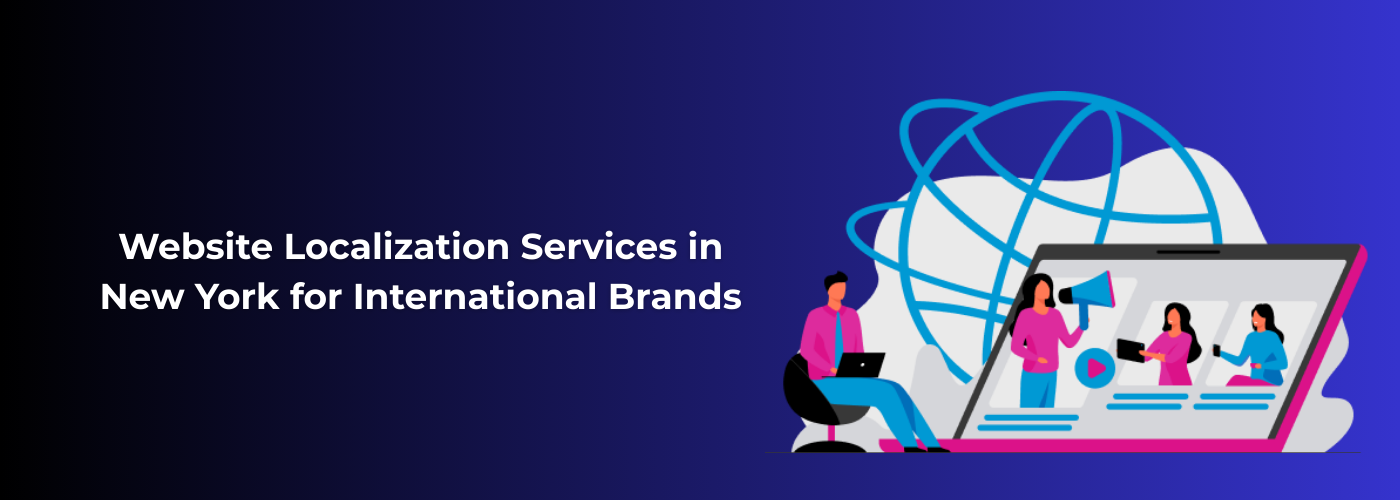
This is why website localization services in New York have become essential for international brands entering the U.S. market.
Localization ensures that your website feels as though it was originally created for American users. It adapts language, cultural references, design, and technical elements so that visitors in the U.S. can easily understand and trust your brand.
Companies like Analokalize, a trusted provider of professional translation and localization services in the United States, help international businesses adapt their websites effectively for American audiences.
In this guide, we’ll explain what website localization really means, how the process works, typical costs, timelines, and why professional services are important for companies expanding into the U.S. market.
What Website Localization Actually Means
Many businesses assume website localization simply means translating text from one language into another. In reality, localization is much more comprehensive.
Website localization involves adapting an entire website so that it feels natural and relevant to users in a specific region.
For international brands targeting the United States, localization typically includes:
- Language adaptation to American English
- Cultural adjustments to messaging and tone
- Currency conversion to U.S. dollars
- Local date, time, and measurement formats
- SEO optimization for U.S. search behavior
- Adjustments to visuals and imagery
- Legal and compliance considerations
For example, a European company may originally display product pricing like:
“€49 including VAT”
After localization for the U.S. market, it may become:
“$55 including applicable U.S. sales tax.”
These adjustments help American customers understand pricing quickly and confidently.
Why Website Localization Matters in New York
New York City is one of the most competitive and internationally connected markets in the world. Businesses from Europe, Asia, and Latin America often expand into New York because it provides access to both U.S. and global customers.
However, this market is extremely competitive.
Consumers in the United States expect:
- Clear and natural English
- Familiar cultural references
- Transparent pricing
- Easy-to-understand product information
- Smooth website navigation
When websites fail to meet these expectations, companies often experience:
- High bounce rates
- Lower search rankings
- Reduced customer trust
- Fewer conversions
Professional localization helps solve these challenges by making websites feel native to U.S. users.
Website Translation vs Website Localization
These two terms are often confused, but they serve different purposes.
Website Translation
Translation focuses on converting text from one language to another while keeping the original meaning.
Example:
Spanish original
“Envío gratuito en pedidos superiores a 50 €”
Translated version
“Free shipping on orders over €50”
While correct, it still feels foreign to American users.
Website Localization
Localization adapts the content so it feels natural for the target audience.
Localized version:
“Free shipping on orders over $55 anywhere in the United States.”
Changes include:
- Currency conversion
- Marketing tone adjustments
- Geographic clarity
This approach improves both user trust and conversions.
Industries That Benefit from Website Localization
Many industries rely heavily on website localization when entering the U.S. market.
Technology and SaaS Companies
Software platforms often localize:
- user dashboards
- product documentation
- help centers
- onboarding guides
This helps users adopt products more easily.
E-Commerce Businesses
Online retailers localize:
- product descriptions
- payment options
- shipping policies
- checkout experiences
These improvements can significantly increase conversion rates.
Legal and Immigration Services
Law firms often provide multilingual websites to explain legal processes clearly to international clients.
Accurate translation is essential in legal contexts.
Healthcare Providers
Healthcare organizations localize websites so patients can easily understand medical services, treatment options, and appointment procedures.
Accuracy is critical when dealing with medical information.
How the Website Localization Process Works
Professional localization projects typically follow a structured workflow.
1. Website Content Review
Localization experts first review the entire website to identify all content requiring adaptation.
This includes:
- web pages
- navigation menus
- product descriptions
- forms
- downloadable files
2. Market Research
Localization teams analyze U.S. market behavior, including language usage and cultural expectations.
Understanding how American customers read and search online helps ensure content feels natural.
3. Professional Translation
Experienced linguists translate content while maintaining brand tone and clarity.
Human translators are essential because they understand context and cultural nuance.
4. Cultural Adaptation
Content is then adapted to reflect American culture and expectations.
This may involve:
- rewriting marketing messages
- modifying calls to action
- adjusting imagery and graphics
5. Technical Integration
Technical specialists ensure localized content integrates smoothly into the website.
Tasks may include:
- layout adjustments
- multilingual compatibility
- SEO metadata updates
- functionality testing
6. Quality Assurance
Before launch, localization teams review the website carefully to check:
- translation accuracy
- formatting issues
- mobile compatibility
- overall user experience
Professional providers like Analokalize follow these steps to deliver reliable localization services for international brands.
How Localization Improves SEO in the United States
Localization plays a major role in search engine visibility.
Search engines prioritize content that matches local search behavior.
For example:
UK search term:
“cheap trainers online”
U.S. search term:
“affordable sneakers online”
Although both refer to the same product, American customers rarely use the UK term.
Localization ensures your website targets the correct keywords for the U.S. market.
This leads to:
- higher organic traffic
- better search rankings
- improved click-through rates
Common Website Localization Mistakes
Many companies attempt to localize websites internally or rely on automated tools. This often results in costly mistakes.
Machine Translation Without Human Editing
Automated tools may produce grammatically correct sentences but fail to capture natural tone.
Ignoring Cultural Context
Marketing messages that work in one country may not resonate with American audiences.
Not Localizing SEO Content
Directly translating keywords rarely works because search habits differ across regions.
Overlooking Legal Requirements
U.S. websites must meet regulations regarding privacy policies and accessibility standards.
Typical Cost of Website Localization in the USA
Website localization pricing depends on content size, language pair, and complexity.
Common price ranges include:
Per-Word Translation
Most professional translation services charge:
$0.12 – $0.25 per word
Small Website Projects
10–20 pages usually cost:
$1,500 – $4,000
Medium-Sized Websites
50–100 pages typically cost:
$5,000 – $12,000
Large Enterprise Websites
Complex websites with hundreds of pages can exceed:
$20,000+
How Long Website Localization Takes
Project timelines depend on the size of the website.
Typical timelines include:
Small website: 1–2 weeks
Medium website: 2–4 weeks
Large website: 4–8 weeks
Professional localization providers coordinate translators, editors, and developers to maintain efficiency without sacrificing accuracy.
Why Businesses Choose Analokalize for Localization Services
When international companies expand into the U.S. market, they often partner with specialized localization providers that understand both language and business communication.
Analokalize offers professional translation and localization services designed to help international brands connect with American audiences.
Their services typically include:
- professional human translators
- website localization for global businesses
- legal and medical translation expertise
- multilingual SEO adaptation
- quality assurance and linguistic review
By working with experienced localization professionals, businesses can ensure their websites communicate clearly and effectively in the U.S. market.
FAQ: Website Localization Services in New York
What is website localization?
Website localization adapts a website’s language, design, and content so it feels natural to users in a specific country or region.
Why do international brands need localization in the U.S.?
Localization helps businesses connect with American customers by adapting language, cultural references, and search engine keywords.
How much do website localization services cost?
Professional localization typically ranges between $0.12 and $0.25 per word, depending on the language and complexity of the project.
How long does website localization take?
Small websites can often be localized within 1–2 weeks, while larger websites may take 4–8 weeks.
Can machine translation replace professional localization?
Machine translation can assist with basic understanding, but it often lacks cultural accuracy and brand consistency.
Professional localization ensures the content feels natural and trustworthy.
Which industries benefit most from localization?
Industries that frequently use localization include:
- technology and SaaS companies
- e-commerce brands
- healthcare providers
- legal and immigration services
- global business organizations
Website localization is more than just translating words—it’s about adapting your brand to communicate effectively with a new audience. For international companies entering competitive markets like New York City, working with experienced providers such as Analokalize can make the difference between a website that simply exists and one that truly connects with U.S. customers.