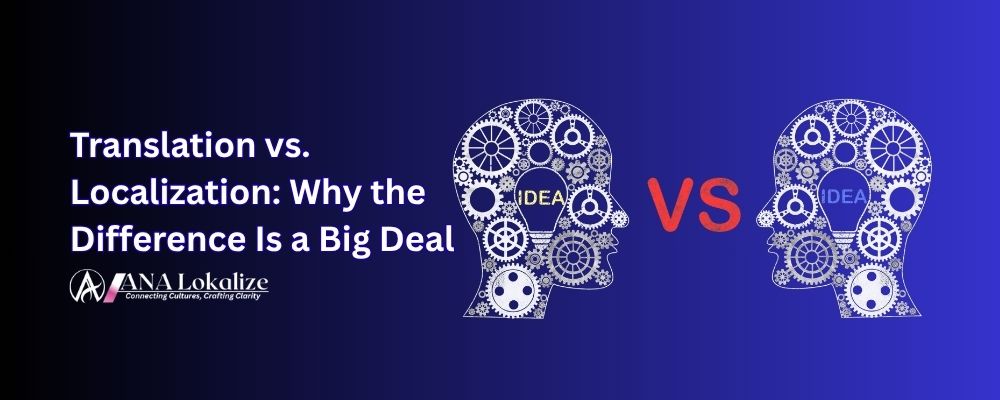
So, you're thinking about taking your business global. Awesome! First thought? Translation, right? Getting your stuff into the local language is a must. But here's the thing: translation is just the first step. Translation and localization? Not the same thing. Knowing the difference can seriously impact your success in a new market.
Let’s keep it simple.
What's Translation About?
Translation is swapping words from one language to another. Like turning Hello! into ¡Hola!.
It's pretty straightforward, focusing on getting the words right. Translation works great for things like instruction manuals or legal stuff where you need to keep it accurate.
The thing is, just translating words doesn't mean your message will connect with people in a new place. That's where localization comes into play.
Okay, What’s Localization Then?
Localization goes beyond just translation. You're not just swapping words; you're changing the whole experience to match a specific culture.
Think of it this way: Translation changes the language, but localization changes the experience to feel native.
This means:
* Changing dates, money, and measurements (think inches vs. centimeters).
* Using local slang and speaking the way locals speak.
* Changing images and even jokes to fit what people like.
* Making sure everything follows local rules and avoids anything offensive.
So, if you're launching a site in Japan, localization means translating the Japanese words. It also might mean changing the design, payment options, and the overall feel of your site to suit Japanese tastes.
Why Should You Care?
If you only translate, your message might be technically correct, but it won't feel right to a local. It might sound weird or just off. Localized content feels like it was made for them. They are much more likely to trust, get involved with, and buy from your brand.
Here's an example:
Say you have a food delivery app.
A translated message might say: Track your order.
But a localized version for another country might say something like: See where your food is now – from when it leaves the restaurant to when it gets to your door.
Same idea, but one sounds more like something locals would actually say.
How We Can Help
We don't just translate words; we want to change your message to feel native to any market you're going to. Whether it's a marketing campaign, a piece of software, or your site, we make sure your brand speaks the right language and connects with the proper culture.
Our team speaks the language and knows the culture – because it's not just about being understood; it's about creating a real feeling.
Last thoughts
If you want people to truly connect with your brand, say things their way and get their culture.
Translation tells them what you do.
Localization shows them you get them.